

Emergency Response
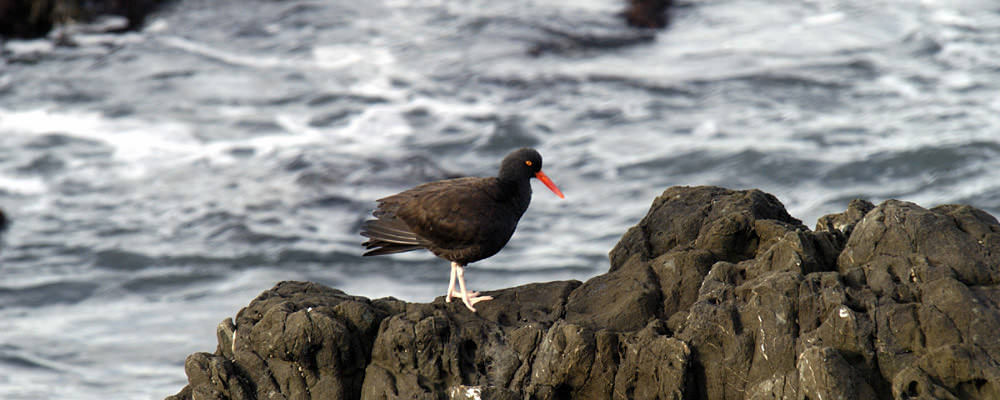
The Sanctuary acts as a resource trustee during oil spills or other emergency situations that could potentially impact sanctuary resources. In the event of an emergency, this page will be updated with information pertaining to media inquiries, volunteer opportunities, and other important information.
Greater Farallones and Cordell Bank National Marine Sanctuaries staff maintain an internal spill response plan and other planning resources that are regularly updated. This includes information on sensitive sites, species, and habitats. The sanctuary uses this spill plan as a complement to the regional and national spill plans developed and maintained through the area contingency planning process led by the U.S. Coast Guard (the lead federal agency for oil spill response) and the California Department of Fish and Wildlife's Office of Spill Prevention and Response (the lead state agency for oil spill response in California).
Oil Spill Response
Greater Farallones, Cordell Bank, and northern Monterey Bay national marine sanctuaries have a risk of oil and/or other hazardous material spills due to weather conditions, their proximity to the busy maritime ports and harbors in San Francisco Bay, and the presence of major vessel traffic lanes in the sanctuaries. The combination of limited visibility from fog and rough seas creates hazardous weather conditions throughout the year for transiting vessels. Given the number of vessels and the proximity of the shipping lanes to the shoreline, including the Farallon Islands, there is the potential for significant adverse impacts on coastal and pelagic sanctuary resources due to vessel accidents or groundings. The T/V Puerto Rican spill (1984) released as much as 1.4 million gallons of oil and the M/V Cosco Busan (2007) oil spill released 53,000 gallons of oil into the sanctuary. Both of these spills had widespread impacts, including killing seabirds, marine mammals, and countless other marine life.
Other Vessel-Related Incidents
Sanctuary staff also coordinate with local, state, and federal agency partners to respond to a variety of vessel-related incidents that violate the National Marine Sanctuaries Act and/or sanctuary regulations in any given year, including grounded and sunken vessels and aircraft, large debris (such as lost shipping containers), and other discharges of hazardous material. Vessel incidents can pose a threat to sanctuary resources through direct exposure to wildlife from fuel and other hazardous materials, marine debris, entanglement from lines and fishing gear in the water, and impacts to rocky reefs and other sensitive habitats.
Sanctuary regulations prohibit:
- Discharges from within or into the sanctuary of any material
- Abandoning debris (such as a vessel or aircraft) on the submerged lands of the sanctuary
- Deserting a vessel aground, at anchor, or adrift in the sanctuary
- Leaving harmful matter aboard a grounded or deserted vessel in the sanctuary.
Report an Incident
To report an oil spill, vessel grounding, or other emergency incident that you may observe in the sanctuary, please contact the Greater Farallones and Cordell Bank National Marine Sanctuaries' Emergency Response hotline at 415-970-5245.
For questions regarding the sanctuaries' role in emergency planning and preparedness, please contact:
Max DelaneyEmergency Response Coordinator
Greater Farallones National Marine Sanctuary
Marine Drive, The Presidio
San Francisco, CA 94129
Phone: 415-970-5255
Email: Max.Delaney@noaa.gov