

White Shark Programmatic Environmental Assessment
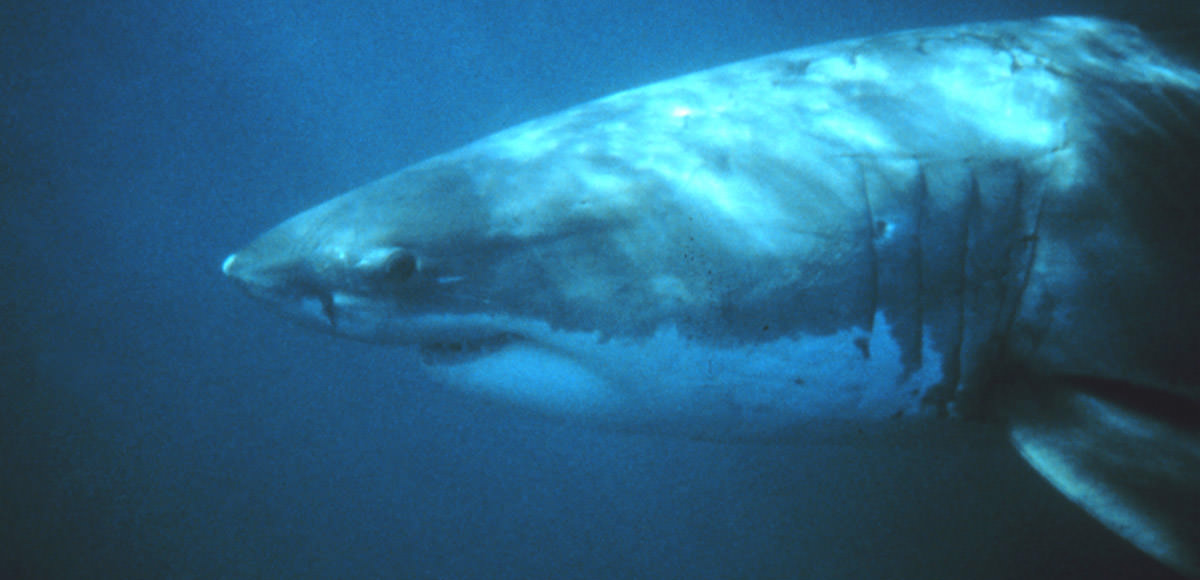
NOAA has released a Draft Programmatic Environmental Assessment (PEA) to evaluate possible permit activities anticipated to be proposed by research and education projects for which sanctuary staff can reasonably expect to receive permit applications over the next five years. These activities were evaluated because they may have the potential to affect white sharks within the Greater Farallones National Marine Sanctuary (GFNMS) management area. This Draft PEA also considers various methodologies that may be proposed by applicants to conduct White Shark research or education projects in the sanctuaries.
Download the Draft Programmatic Environmental Assessment (PDF, 7MB)
The 30-day public comment period (Mar 24 - Apr 23, 2014) on the Draft PEA is now closed. GFNMS is currently reviewing all comments and finalizing the documents. Once completed, the Final PEA will be available on this page of the GFNMS website. Projects requesting a permit will continue to be evaluated on a case-by-case basis, but the Final PEA will help guide future GFNMS permit decisions.
Why a Programmatic Environmental Assessment?
In late 2009, the GFNMS superintendent initiated the development of an environmental assessment (EA) to analyze the potential impacts of a single research permit (issued to Dr. Michael Domeier to allow the attraction of White Sharks in order to deploy satellite tags (specifically Smart Position and Temperature or SPOT) after a shark was accidentally hooked in the esophagus during the capture process. The purpose of the project was designed to improve our understanding of the full migratory cycle of White Sharks (which can be multi-year migrations for females), by attaching SPOT tags on up to 11 White Sharks.
This initial draft EA was released to the public on September 24, 2010, and a notice of availability was published in the Federal Register on September 30, 2010, with a 15-day comment period that ended on October 15, 2010. GFNMS received 32 public comments; 16 opposing the research, 11 in favor of the action and 5 expressing no opinion or were neutral. The comments received were wide-ranging, but primarily centered around research methods and suggestions for mitigating potential risks to White Sharks in the study. Many comments that were received related to concerns about the welfare of the animals during and after tagging events. Further, in response to public concern, GFNMS initiated an independent review by NOAA National Marine Fisheries Service in consultation with scientific experts in shark biology and research methods to assess the potential effects on the two White Sharks tagged during the project in October and November 2009.
In response to the comments received and because of the imminent expiry of other research and educational tour permits that involve interaction with White Sharks in the sanctuaries, GFNMS decided to broaden the scope of the EA beyond a single research project to assess a full range of proposed actions related to White Shark permit research and education permits. Hence, GFNMS has developed a revised Draft Programmatic Environmental Assessment (PEA) to look at all permitted White Shark activities within the GFNMS management area. The Draft PEA analyzes the full range of probable scientific research projects and methodologies as well as activities involved in attracting White Sharks for tourism-related projects in the sanctuary. Most comments received during the review of the initial draft EA (released in 2010) from the public, members of the GFNMS Sanctuary Advisory Council, state and federal regulatory and research staffs, other White Shark scientists, and existing permit holders have been addressed in this Draft PEA. In addition, the Draft PEA includes the independent review conducted by NOAA Fisheries, new information obtained from the White Shark Stewardship Project’s monitoring efforts and permit records from recent years, and information and findings from recent publications on White Sharks.
More Information
Read the press release (PDF, 83KB)
Read the Federal Register Notice (PDF)
Please direct any comments or questions about the Draft PEA or GFNMS permitting program to:
Max Delaney, Permit Coordinator
Greater Farallones National Marine Sanctuary
max.delaney@noaa.gov
(415) 970-5255