

Coastal Visitors: View Seabirds at a Safe Distance
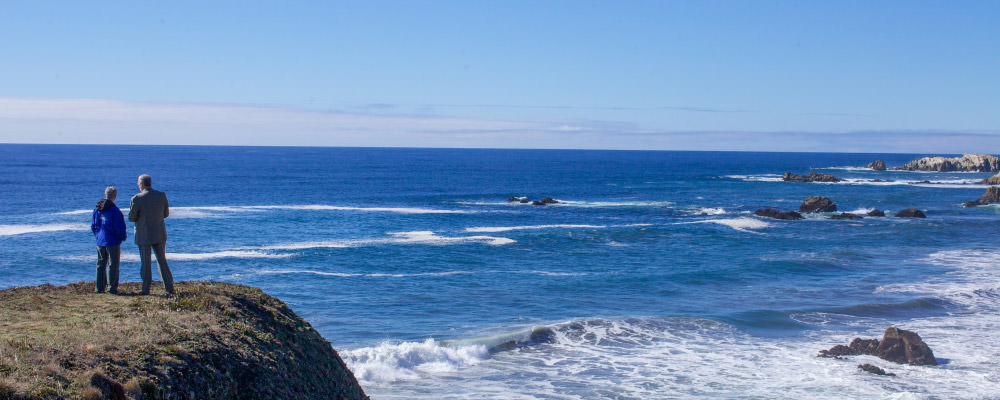
You can help protect seabirds by raising your awareness of seabirds and gaining a greater understanding of the places they go and the food they eat.
Breeding and roosting seabirds, particularly those that nest or roost on cliffs or offshore rocks are highly sensitive to our actions. Stay 1,000 feet away from seabirds that are nesting or resting. Seabirds are skitish, and your presence can harm them. If you get too close seabirds can be scared away from their nests or chicks, for a few minutes or even a few days! This leaves eggs or chicks exposed to predators. In some cases, disturbances can cause complete breeding failure of a seabird colony, in which no chicks survive. Disturbances can harm the long-term health and survival of marine species.
Protecting wildlife is one of the sanctuary's top priorities. Take extra care on coastal trails and be sure to check out our nesting colony map (PDF) when planning your trips. Be "seabird safe" and help California's wildlife thrive!
Visit www.SeabirdProtectionNetwork.org, our umbrella website, to find links to all the Network Chapters.